House Washing Tennessee: How East Tennessee Humidity Ruins Vinyl Siding and the Best Ways to Fix It

Sticky summers, foggy mornings, and afternoon storms give East Tennessee the moisture that green algae loves. That is why so many vinyl-sided homes across the Appalachian foothills show green film, black specks, and drip lines. The most reliable fix is a professional, low pressure process that kills the growth at its root. If you want a safe, even clean that protects your siding, our soft-wash house washing service is built for Tennessee weather.
Why East Tennessee Homes Get Green So Fast
Greeneville, Johnson City, and Morristown sit in valleys where humid air lingers after summer rain. North and shaded walls stay damp for hours. Pollen and dust settle on that moisture and form a sticky layer that algae and mildew feed on. Over time, the light haze turns into thick streaks that dull your trim and make even newer homes look tired.
- North and east walls show growth first because they get less direct sun.
- Beds with dense shrubs hold moisture against lower panels.
- Gutter drip lines and downspout splash zones leave dirty stripes.
Many homeowners try to rinse it off. A quick blast might lighten the color, but it often leaves live spores and the food layer behind. The stains come back fast, sometimes looking worse than before.
House Washing Tennessee: Why Soft Washing Protects Vinyl Siding
Vinyl siding is made to shed rain, not jets of water. High pressure can force water behind the lap joints, where it can stay trapped against the sheathing. Over time that hidden moisture invites rot and musty odors inside the wall. A calibrated soft wash avoids that risk and still removes algae on vinyl siding effectively.
Here is the big idea: let the chemistry do the work. A trained technician applies a specialized, biodegradable mildewcide that targets algae and mildew cells. It breaks the organic bond and neutralizes spores so the surface rinses clean at low pressure. The rinse is gentle and even, which helps protect trim paint and delicate caulk lines.
What “Biodegradable Mildewcides” Do for Your Siding
These solutions are designed to break down after use while staying tough on living growth. They reach into porous texture and small shadow lines where algae hide, then release as the mix is rinsed. Because the growth is killed at the root instead of just blown off, results last longer between maintenance visits.
- Targets live growth instead of smearing it across panels.
- Works at low pressure to protect laps, flashing, and window seals.
- Rinses to a uniform finish so the home looks evenly bright.
For a deeper dive into local climate factors and siding behavior, read our article on why green algae thrives on greeneville homes. It explains how humidity patterns in our region affect vinyl, wood, and masonry.
Local insight: In East Tennessee, the “shady side” of a home can stay wet until midday. That extended moisture window feeds algae and mildew, which is why routine soft washing keeps vinyl siding from tipping into stubborn, hard-to-remove staining.
The Hidden Costs of High Pressure on Vinyl
High pressure can drive water behind panels, especially around light fixtures, outlets, and trim. That moisture can linger against OSB or plywood sheathing and create a perfect environment for hidden mold. It can also etch oxidation patterns into older vinyl, leaving tiger-striping that is hard to correct. A soft-wash approach with careful dwell time avoids those headaches and keeps the focus on safe, controlled cleaning.
Roof edges and soffits are another danger zone. Spraying up into vents or shingle edges can lift granules and push water into the attic. If you are also noticing dark roof streaks, pair your service with gentle roof cleaning so both the siding and roof are treated with compatible, low pressure methods.
How Our Soft-Wash Process Fits Tennessee Weather
Under Pressure builds timing and technique around local humidity swings. On a warm day after rain, a mix may need a slightly longer dwell to fully neutralize growth. On bright afternoons, shorter cycles protect finish and landscaping. The process is steady, careful, and built to respect your home’s materials.
Here is what that looks like from start to finish:
- Assessment: Identify shaded walls, plant beds, and any oxidation on trim or gutters that needs a delicate touch.
- Pre-rinse and protect: Lightly pre-wet surrounding plants and surfaces that can be sensitive during application.
- Apply solution: Use a biodegradable mildewcide blend tailored to vinyl siding algae removal and mildew.
- Dwell and monitor: Give the solution time to work while watching for even reaction across the wall.
- Gentle rinse: Use low pressure to clear growth and residues without driving water behind panels.
Important: This is not a DIY recipe. The right ratios, flow, and dwell vary by surface, temperature, and the level of growth. A trained tech reads these conditions in real time for safe results.
What Tennessee Homeowners Notice After a Proper Soft Wash
Clean siding is more than color. When algae and mildew are neutralized, surfaces dry faster after storms, which slows regrowth. Caulk lines are easier to inspect, and window trim reads crisp in photos. Neighbors notice. Appraisers do too.
Many clients also like that soft washing pairs well with seasonal upkeep. After leaf drop, a fresh rinse removes the organic film that settles during fall winds. Before spring pollen, a maintenance visit helps siding shed new deposits so the home stays brighter through summer.
Why “Low Pressure House Wash” Beats Brute Force
People often ask if a strong blast is faster. It might look quick in a video, but it can leave live spores, strip paint, and push water where it should never go. A low pressure house wash uses measured flow so the solution handles the heavy lifting. The result is a uniform finish with less risk and longer-lasting curb appeal.
If you are comparing options, look for a provider that explains their chemistry, how they protect landscaping, and how they avoid forcing water into vents and seams. Those are the details that keep your home safe in a humid climate like ours.
From Greeneville to Knoxville: Local Patterns, Real Results
Across East Tennessee, patterns repeat. Shaded neighborhoods with mature trees see algae earliest. Homes near creeks or low-lying roads catch more fog and dew. Vinyl on those homes often shows a green cast by early summer. After a proper treatment, you should see a bright, even tone with clean edges at trim and windows. That clean lasts longer when the source is neutralized rather than smeared or blasted.
Curious about common mistakes to avoid? Our team covers safety and surface risks in this post about the dangers of diy house washing, which explains why method matters in a humid place like ours.
How Often Should Tennessee Homes Be Soft Washed
There is no one-size answer. It varies by shade, airflow, and nearby vegetation. Many East Tennessee homes benefit from yearly maintenance on north and east walls, with a full perimeter every 12 to 24 months. Shady creek lots or heavy tree cover may need a seasonal touch-up. A quick walkaround by a pro will set the right cadence for your property.
When you are ready to restore that crisp, even look, explore our approach to house washing tennessee and see how the Under Pressure process fits local siding and climate.
What To Expect When You Book With Under Pressure
From first call to clean-up, the focus is safety, communication, and consistent results. We explain what will be cleaned, how plants are protected, and what soft-wash blend is right for your siding. We also outline any areas of oxidation or delicate trim so you know what to expect when it dries. This clear process is a big reason neighbors across East Tennessee recommend us to friends and family.
If you want a gentle, thorough clean, schedule our professional house washing and enjoy siding that looks bright through the long, humid season.
Ready For A Fresh, Even Clean That Lasts
Humidity is part of life in the Appalachian region, but green siding does not have to be. A soft-wash treatment with biodegradable mildewcides kills growth at the root and helps your home dry faster after storms. That is how you stop the cycle of regrowth and keep vinyl looking its best.
Talk with Under Pressure today to plan your visit. Call 423-620-0479 or book a time online. If you want your siding to look clean and stay clean, we are ready to help Tennessee homeowners protect their biggest investment with a careful, science-backed approach to care.

Check Out Our Work
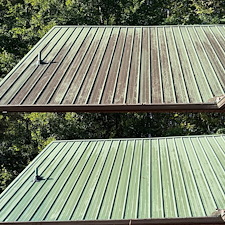
What a great turn around for this roof! Our customer is looking to list her house for sale in Johnson City, Tennessee. This particular section of the roof was showing extensive discoloration and mold was growing on the roof as well. Under Pressure is competent in […]
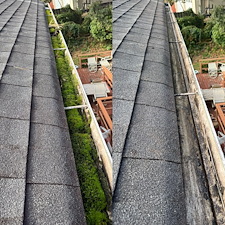
We had a great time delivering our gutter cleaning services today in Johnson City, Tennessee. Our customer reached out through Google and wanted to service some issues they had going on around the house. When Under Pressure arrived we noticed that there was gutter guards installed […]
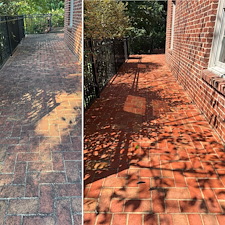
Under Pressure to the rescue again in Johnson City, Tennessee. We had a customer call us back and needed our sidewalk cleaning services performed. This particular lady was having a book club party at her house and wanted everything cleaned up before the party. We came […]

Articles & Tips
-
How East Tennessee Humidity Ruins Vinyl Siding and the Best Ways to Fix It
Sticky summers, foggy mornings, and afternoon storms give East Tennessee the moisture that green algae loves. That is why so many vinyl-sided homes across the Appalachian foothills show green film, black specks, and drip lines. The most reliable fix is a professional, low pressure process that […]
-
Commercial Pressure Washing: Removing Tough Oil and Mud Stains in Greeneville TN
Greeneville businesses deal with more than everyday dust. Drive-thrus collect fryer grease splatter, fleet lots track hydraulic leaks, and storefront sidewalks pick up East Tennessee red clay after summer storms. If your property shows oil shadows, clay streaks, or dark traffic lanes, commercial pressure washing from […]