Rust and Oxidation Removal: What Those Orange Stains Really Are

Orange streaks and spots around your property aren't just ugly. They're signs of real chemical reactions that need the right solution, and that's where professional rust and oxidation removal makes the difference for Greeneville homes and businesses. If you're seeing staining now, learn what it means and why calling Under Pressure for rust and oxidation removal is the safest way to protect your surfaces.
Why Orange Stains Show Up Around Greeneville Homes
In our part of East Tennessee, we see a perfect recipe for rust stains. Fertilizers often contain iron, irrigation can overspray onto concrete, and rain carries minerals from brick, stone, and metal fixtures. When iron meets moisture and air, it forms iron oxide, which bonds to porous surfaces like concrete and masonry. On metal, oxygen reacts with iron or steel and creates active corrosion. On painted aluminum or vinyl, oxidation chalks and discolors the surface.
Because many Greeneville properties rely on well or municipal water with mineral content, those minerals can leave behind residue. Add summer heat, frequent storms, and everyday use, and stains can develop fast on driveways, walkways, pool decks, and siding.
Rust Versus Oxidation: They Aren't the Same Problem
Rust is the reddish-brown corrosion you'll notice when iron or steel reacts with oxygen and water. It can pit, swell, and flake metal and also leave orange transfer stains on nearby concrete and stone. Oxidation, on the other hand, is a surface reaction that often shows up as chalky film or color fade on aluminum, painted metal, and older vinyl siding. Oxidation looks dull and streaky, especially under windows, gutters, and around downspouts.
Both problems lower curb appeal and shorten the life of your materials. The fix is different for each, which is why a targeted cleaning and restoration approach matters.
Common Culprits You'll See On Concrete, Metal, And Siding
- Fertilizer rust on concrete: iron-rich granules or overspray leave orange “shadows” along lawn edges and around planter beds.
- Battery acid stains: leaks from golf carts, mowers, or car batteries can etch concrete and trigger orange-brown discoloration.
- Metal bleed: railings, rebar near control joints, fence posts, and hardware can drip rust and stain surfaces below.
- Irrigation and well water: iron-heavy spray creates orange bands on siding, fences, and driveway edges.
- Aluminum siding oxidation: chalky, dull film that wipes onto your hand and won't rinse clean.
Why Standard Pressure Washing Doesn't Fix Rust
High pressure alone can't dissolve iron oxide or the mineral bonds holding stains in place. In fact, blasting concrete can scar the paste layer and make stains sink deeper. For siding, aggressive pressure can force water behind panels or strip protective finishes. The right answer is a chemistry-first process that loosens the stain at a molecular level before controlled rinsing removes residues.
Never mix acids and bleach or use random chemicals together. That can create dangerous reactions, damage surfaces, and void warranties. Professional technicians choose chemistry based on the exact stain and the surface it's on, then control dwell time and rinse method for a predictable result.
What Professional Rust And Oxidation Removal Looks Like
Surface-Safe Chemistry And Controlled Dwell Time
Pros match solutions to the stain and the substrate. Fertilizer marks on broom-finished concrete need a different approach than rust bleeding from steel posts on stamped concrete. For metal, the goal is to neutralize active corrosion without thinning the material. For chalky siding, oxidation removal restores color and gloss by lifting the oxidized layer safely. Many projects follow a restoration-grade, F9-style restoration approach focused on measured application, buffered solutions, and strict rinse control.
Protecting Landscaping And Managing Runoff
Greeneville lawns, shrubs, and beds are part of your investment. That's why pros pre-wet plantings, isolate work zones, and keep runoff within safe pH ranges. Rinses are directed away from storm drains and sensitive areas, and surfaces are neutralized where appropriate, so your concrete, metal, and siding aren't left reactive.
Local Factors That Make Stains Worse
Our humid summers and frequent pop-up storms push more moisture through porous surfaces. Fall leaf litter sits on driveways and walks, holding water against concrete and feeding organic staining alongside rust. In neighborhoods like Tusculum, Mosheim, and the downtown Greeneville area, irrigation overspray and shaded drives combine to keep surfaces damp longer. That means stains set faster and return sooner without a proper treatment plan.
Because many Greeneville yards use iron-rich fertilizers, the heaviest staining often shows up within a week of treatment, especially where sprinklers hit concrete. Scheduling stain removal after peak fertilizing and before winter freezes helps lock in clean results and reduces repeat visits.
What You Risk By Waiting Too Long
- Permanent discoloration occurs as iron bonds deeper into the concrete cap and stone pores.
- Premature metal failure from active corrosion under fasteners, railings, and gates.
- Oxidation that chalks more surface area, making siding look patchy and aged.
- Higher restoration effort later, since stains expand and require more cycles to reverse.
Orange stains rarely “fade away” with normal weathering. They usually spread or darken, and etching can become visible in the right light. Getting ahead of them preserves curb appeal and protects your investment.
How To Read The Stain: Quick Clues Before You Call
If the stain follows a sprinkler arc, fertilizer rust on concrete is likely. If it pools under a parked cart or near a charging area, battery acid stains may be to blame. Vertical orange trails under a railing or metal fixture point to metal bleed. Powdery, uniform dullness across the siding is typical oxidation. These clues help us assess your project fast so we can recommend the correct process without guesswork.
Want a deeper dive into benefits and outcomes? This post on the 3 benefits of rust removal shows how restored concrete and metal can boost curb appeal and longevity at the same time.
What To Expect From A Professional Visit
Our team starts with a walk-through to identify the stain type, surface condition, and any sensitive areas like freshly sealed joints or nearby landscaping. We stage the site, apply the correct stain remover, allow proper dwell time, then neutralize and rinse under controlled pressure. On siding, we perform test spots to confirm gloss and color recovery, then work methodically to even out panels and trim.
After treatment, we'll confirm results in changing light to spot any faint halos. Where metal corrosion is active, we can recommend protective steps to reduce future bleed. And we'll share a simple care plan so normal rinsing and seasonal maintenance keep things looking fresh.
Greeneville-Friendly Ways To Reduce Recurring Stains
While stain formation can't be stopped completely, a few practical choices can slow it down. Ask your lawn provider about iron content and application timing. Keep fertilizer granules off hard surfaces, and consider slight sprinkler head adjustments so overspray doesn't soak driveways and sidewalks. Where metal meets masonry, routine checks for rust bleed help catch small issues before they streak.
When staining does show up, calling a local expert quickly is the best move. Our technicians see these patterns across Greeneville and know how the season, surface, and stain type affect the solution.
Why Choose Under Pressure In Greeneville
We're a local team that understands how East Tennessee weather and water chemistry affect your exterior. Our process focuses on stain identification first, then safe chemistry and careful rinsing for consistent results. You'll have a clear plan, visible improvements, and respect for your landscaping and hardscape from start to finish.
If you're exploring broader exterior care, you can also get to know our pressure washing pros and see why so many Greeneville neighbors trust us year after year.
Ready To Stop Orange Stains At The Source?
Rust and oxidation won't fix themselves, and the longer they sit, the tougher they get. One visit from a trained crew can turn stained, chalky surfaces into clean, bright ones that make your home feel new again.
Call Under Pressure at 423-620-0479 to schedule your rust and oxidation evaluation today. Prefer to book online? Reach out now and let's plan your Greeneville service window before the next round of storms.
Check Out Our Work
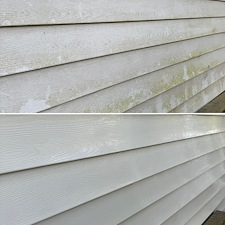
A lot of shade around this customers house in Johnson City, Tennessee. This customer reach out after hearing about us from their neighbor who had done business with us before. Once the Under Pressure team arrived on site we noticed that this house wash way past […]
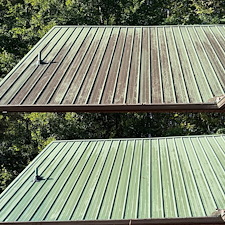
What a great turn around for this roof! Our customer is looking to list her house for sale in Johnson City, Tennessee. This particular section of the roof was showing extensive discoloration and mold was growing on the roof as well. Under Pressure is competent in […]
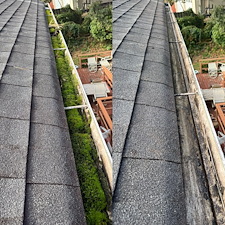
We had a great time delivering our gutter cleaning services today in Johnson City, Tennessee. Our customer reached out through Google and wanted to service some issues they had going on around the house. When Under Pressure arrived we noticed that there was gutter guards installed […]

Articles & Tips
-
How East Tennessee Humidity Ruins Vinyl Siding and the Best Ways to Fix It
Sticky summers, foggy mornings, and afternoon storms give East Tennessee the moisture that green algae loves. That is why so many vinyl-sided homes across the Appalachian foothills show green film, black specks, and drip lines. The most reliable fix is a professional, low pressure process that […]
-
Commercial Pressure Washing: Removing Tough Oil and Mud Stains in Greeneville TN
Greeneville businesses deal with more than everyday dust. Drive-thrus collect fryer grease splatter, fleet lots track hydraulic leaks, and storefront sidewalks pick up East Tennessee red clay after summer storms. If your property shows oil shadows, clay streaks, or dark traffic lanes, commercial pressure washing from […]